Home » The Chemistry of Perception
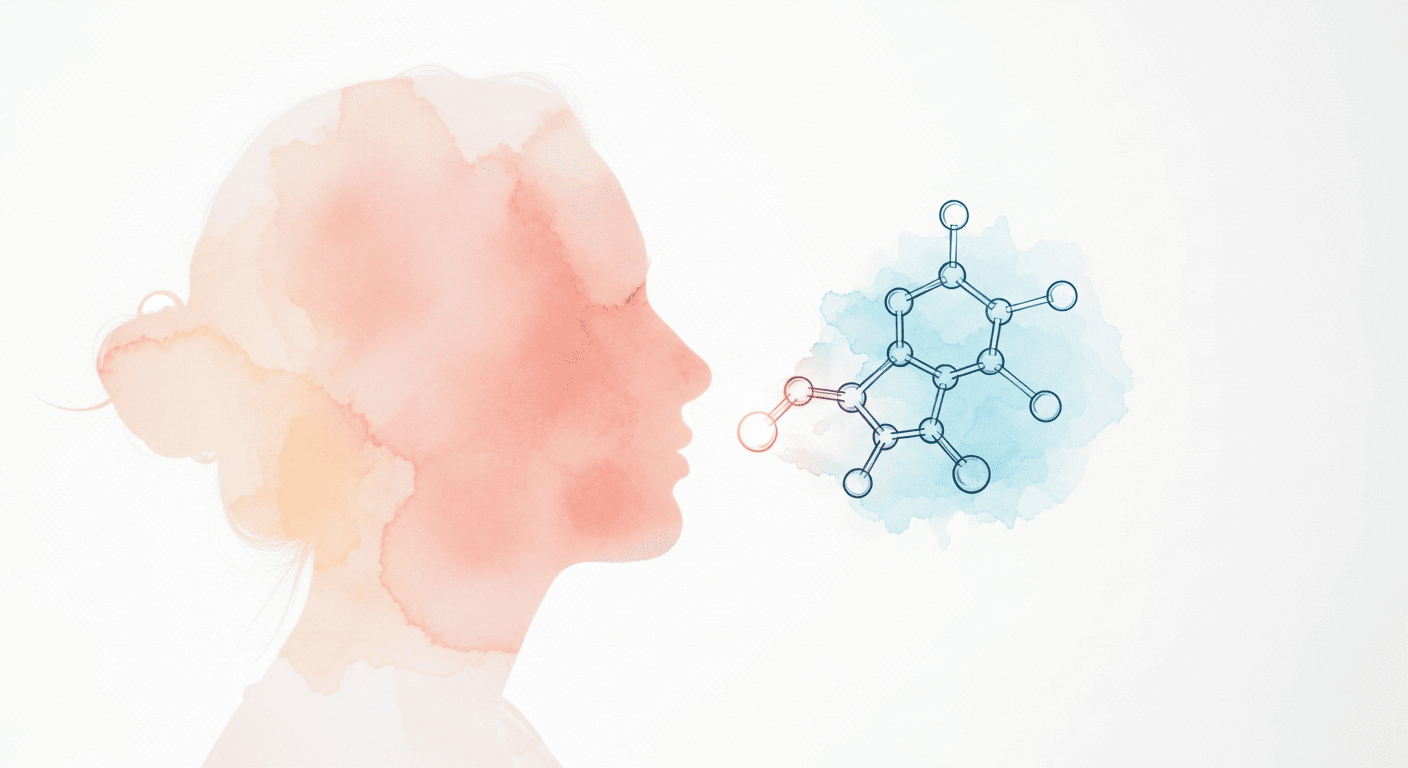
Understanding Pheromones: Biological Basis and Types Pheromones are chemical signals secreted by animals, including humans, to trigger specific social responses in members of the same species. They are produced in various glands and released into the environment, where they are detected by the olfactory system or specialized receptors such as the vomeronasal organ. These compounds…
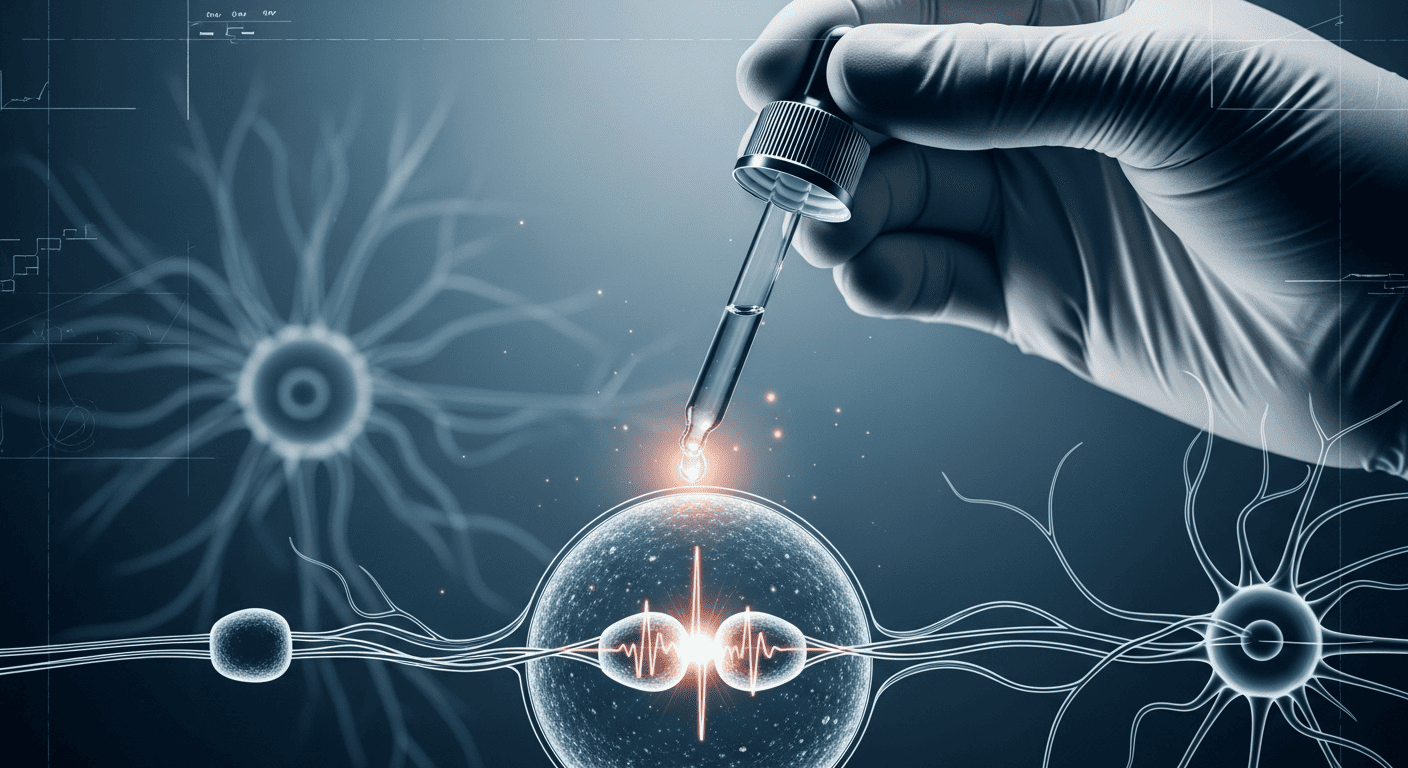
The Science Behind the Connection Between Scent and the Brain The relationship between scent and the brain is deeply rooted in the way our sensory systems have evolved over millions of years. When we inhale an aroma, microscopic odor molecules enter the nasal cavity and bind to specialized receptors in the olfactory epithelium. These receptors…
The Proust effect is far more than a literary concept; it is a potent neurobiological reality that can be strategically harnessed in sensitive human interactions. This phenomenon, known as creating an “olfactory anchor,” involves using a specific scent to intentionally induce a cascade of neurochemical changes in a person’s brain, subtly influencing their mood and…
A minimalist movement has taken root in the complex world of perfumery, led by fragrances that eschew traditional structure in favor of a singular, potent aroma chemical. These “molecular” compositions, often built around titans like ISO E Super or Ambroxan, have redefined the boundaries of what a scent can be. Their purpose is not to…